Last week, extension agents in the southeastern part of the state reported bermudagrass fields showing noticeable damage—such as frost-like or bronzed foliage—caused by bermudagrass stem maggot (BSM). Depending on the bermudagrass cultivar, yield losses could reach 30% or more, particularly in fine-leaf cultivars such as Tifton 44, Coastal, and seeded varieties (see data for southeast NC).
Bermudagrass Stem Maggot Damage
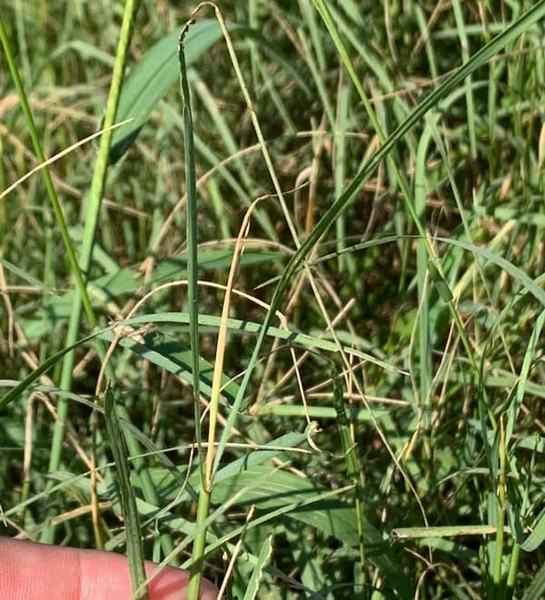
It is advisable to begin scouting by swinging a net deep through the bermudagrass canopy, making at least 20 sweeps to collect a representative sample. The best time to scout is typically late morning, once the dew has dried (around 11 a.m.). At present, only adult flies can be effectively suppressed with a pyrethroid insecticide, applied at the recommended rate 7–10 days after harvest, followed by a second application 7–10 days later. As of August 19, most producers in our region will likely have one or two hay harvests remaining, depending on weather and field operations. Therefore, it is important to carefully evaluate whether spraying for BSM is warranted before proceeding.
For more details, pleaseand publication from our colleagues about management of BSM and contact your local county extension agent for support.